Offshore hydraulics do not get an easy working environment.
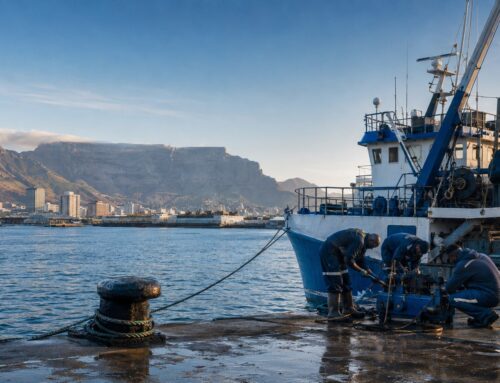
Offshore hydraulic systems operate in some of the most demanding conditions in the marine industry. Saltwater, heavy loads, vibration and long operating periods all put pressure on equipment.
For offshore operators, reliability means more than keeping machinery running. It means having hydraulic systems that suit the vessel, the application and the conditions in which they operate.
At PETEC, we have built our marine hydraulic expertise through decades of working with demanding marine applications. As a result, we understand the importance of practical engineering, reliable equipment and ongoing technical support.
Offshore Hydraulics Are About More Than Power
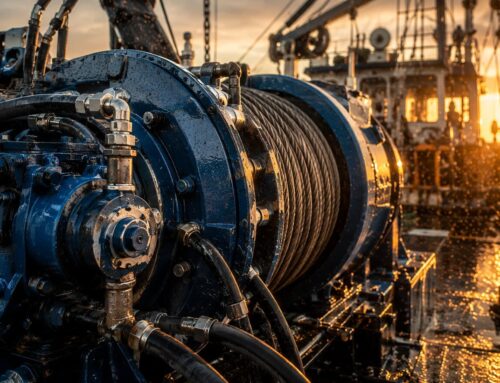
Hydraulics provide the power behind many important marine operations. Winches, steering systems, deck machinery and hydraulic power units all rely on hydraulic performance to do their jobs.
However, power alone does not guarantee reliable performance. Hydraulic equipment also needs to work with the vessel’s layout, existing systems and operating requirements.
For example, a winch needs to handle its required load, while a hydraulic power unit needs to deliver consistent power. At the same time, operators need controls that respond correctly and equipment that remains practical to maintain.
That is why good offshore hydraulic engineering starts with the complete application. At PETEC, we look at what the equipment needs to do and how it needs to perform in the real working environment.
Ultimately, the right hydraulic solution does more than provide power. It helps keep the vessel working.
The Vessel Comes First
Every vessel has different requirements. Deck space, hydraulic supply, equipment loads and maintenance access can all change from one application to another.
Therefore, offshore hydraulic systems cannot always rely on standard, off-the-shelf solutions. Engineers need to consider how each piece of equipment will work within the vessel and its existing systems.
PETEC works with shipyards, vessel builders and offshore operators to develop and integrate hydraulic solutions around these requirements. This work can include system design, equipment integration, repairs, installation and commissioning.
Sometimes, the best solution involves new equipment. In other cases, modifying an existing system or repairing a component may make more sense.
Either way, the solution needs to work on the vessel, not just on paper.
Designed for Demanding Marine Conditions
The offshore environment puts constant demands on hydraulic equipment. Saltwater and corrosion can affect components, while vibration and heavy loads can place additional stress on machinery.
Long operating periods create another challenge. Equipment needs to remain reliable while also allowing practical access for inspection, servicing and maintenance.
For this reason, PETEC considers the wider hydraulic system when developing marine solutions. Fluid condition, filtration, cooling and overall system integrity can all influence hydraulic performance.
For example, PETEC can build hydraulic power units around specific vessel requirements. These units can incorporate features such as filtration and oil cooling to support dependable hydraulic operation.
In other words, reliable offshore hydraulics start with the environment in mind. The equipment needs to suit the conditions as well as the application.
Hydraulic System Integration Matters
Offshore hydraulic equipment rarely works on its own. Pumps, motors, valves, controls and power units all need to work together as part of one hydraulic system.
Proper integration helps each component perform its intended function. It also helps the equipment work effectively with the vessel’s existing systems.
In addition, good system integration can make future maintenance easier. When engineers understand how the different components interact, they can make better decisions about access, servicing and potential upgrades.
PETEC therefore looks at the complete hydraulic system rather than focusing on individual components in isolation. The aim is to create a system where every part contributes to reliable operation.
From Design to Installation and Support
Good hydraulic engineering does not stop with a design drawing. The solution also needs to move successfully from the engineering stage into manufacturing, installation and operation.
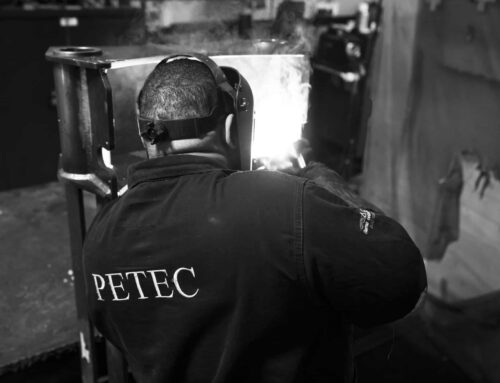
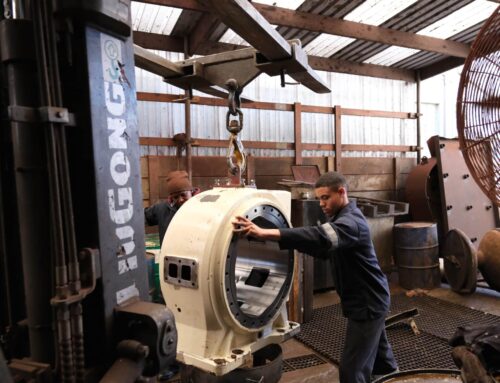
PETEC combines CAD design and 3D modelling with machining, boiler shop work and hydraulic and mechanical fitting. This allows the team to turn engineering requirements into practical marine equipment.
Depending on the project, PETEC can manufacture new equipment, modify existing systems or repair components. The team can also support installation and commissioning to help ensure the equipment performs as intended.
However, the relationship does not have to end once the equipment goes into service. PETEC provides hydraulic diagnostics, repairs, flow testing, commissioning and ongoing technical assistance.
That continued support helps clients maintain equipment and address problems when they arise.
Reliability Beyond the Workshop
The real test of hydraulic equipment begins once it becomes part of a working vessel.
Installation and commissioning help establish reliable operation from the start. Regular maintenance, testing and servicing then help protect that performance over time.
When equipment requires attention, experienced technical support can also make a significant difference. A problem may require diagnostics, a repair, hydraulic testing or a system adjustment.
PETEC supports marine clients throughout this process. By combining engineering knowledge with practical workshop and field capabilities, the team can help clients address hydraulic issues and keep equipment operating effectively.
Reliable equipment needs reliable support behind it.
Offshore Hydraulics Need Engineering Behind Them
When hydraulic equipment works properly, operators can focus on the job rather than the machinery. The winch needs to pull, the equipment needs to move and the hydraulic system needs to deliver the required performance.
That reliability starts long before the equipment reaches the vessel. Engineers need to understand the application, select the right approach and consider how the complete system will operate.
From there, careful manufacturing, installation and commissioning help turn the design into a working solution. Ongoing maintenance and technical support then help keep that solution performing throughout its working life.
This is where PETEC brings together marine hydraulic experience, engineering capabilities and practical workshop expertise.
Because offshore hydraulics are not simply about moving oil under pressure. They are about keeping critical marine operations moving.
PETEC Services — Marine Hydraulic Engineers Since 1988.
Engineered for the pressure. Built for the marine environment.
Giving you more time at sea.